Korean Bibimbap
Highlighted under: Modern World Food Inspiration
Korean Bibimbap is a vibrant and flavorful dish that combines rice with a variety of vegetables, proteins, and a spicy sauce, creating a delightful harmony of textures and tastes.
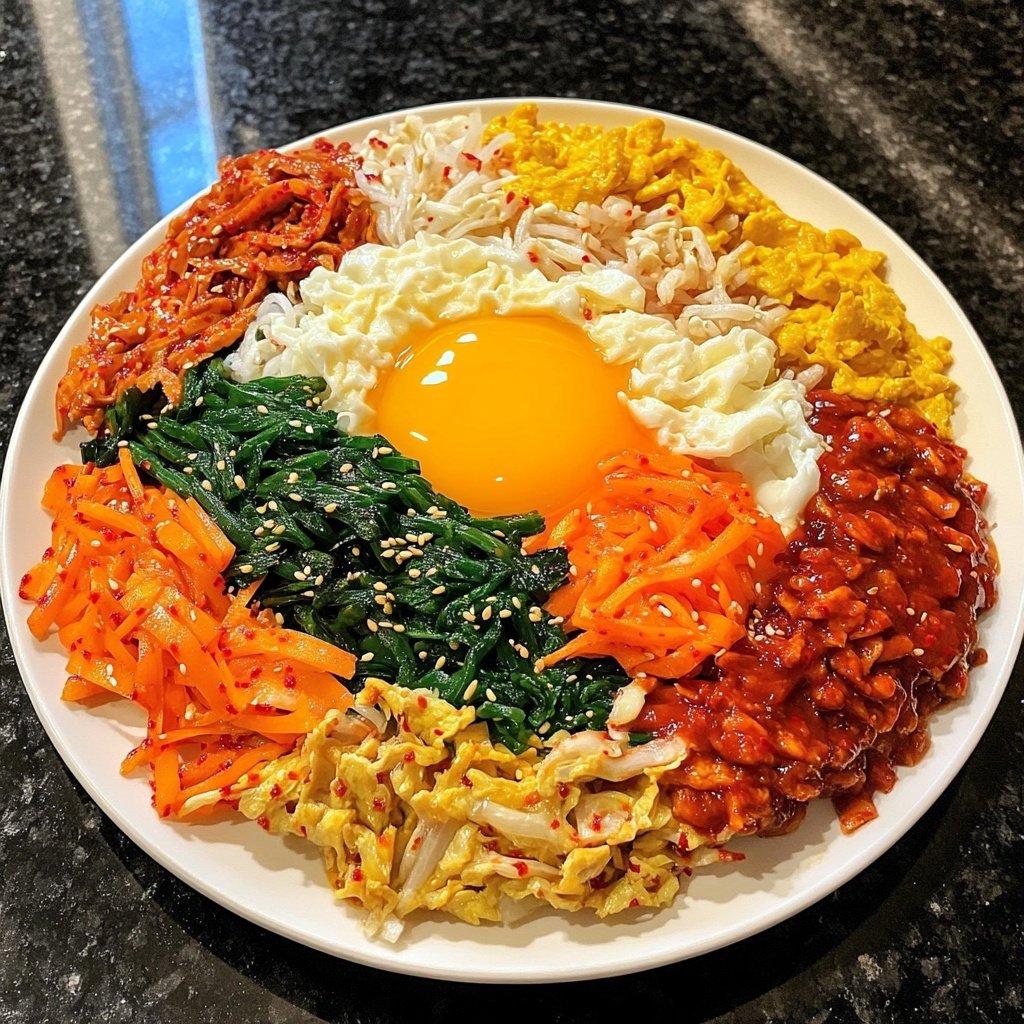
Korean Bibimbap is more than just a meal; it's an experience. This traditional dish brings together an array of colorful vegetables, savory meats, and a fried egg, all mixed with gochujang (Korean chili paste) for a perfect blend of flavors.

Why You Will Love This Recipe
- A colorful and nutritious meal in one bowl
- Customizable with your favorite vegetables and proteins
- Incredible balance of flavors with spicy and savory notes
The Essence of Bibimbap
Bibimbap, which translates to 'mixed rice,' is a traditional Korean dish that showcases the beauty of balance and variety. At its core, it features a base of perfectly cooked rice topped with an assortment of colorful vegetables, proteins, and a rich sauce. This dish embodies the philosophy of Korean cuisine, emphasizing harmony among different ingredients, both in flavor and nutrition. Each component not only adds its unique taste but also contributes to the overall nutritional profile, making bibimbap a wholesome choice for any meal.
The vibrant presentation of bibimbap is one of its most captivating aspects. The combination of greens, yellows, reds, and browns creates a feast for the eyes, inviting you to dive in. The dish is often served in a hot stone bowl, which adds an element of warmth and texture as the rice crisps slightly at the bottom, enhancing the overall experience. This visual appeal makes bibimbap perfect for gatherings, where sharing a communal dish brings people together.
A Customizable Delight
One of the greatest joys of preparing bibimbap is its versatility. You can tailor the ingredients to suit your taste preferences or dietary restrictions. Whether you prefer a hearty serving of ground beef, flavorful tofu, or even grilled chicken, the choice of protein is yours. Furthermore, the vegetables can be swapped according to seasonality or availability, allowing for endless combinations that keep each meal exciting and fresh.
For those who enjoy experimenting, bibimbap can also be made with various sauces and toppings. While gochujang is a classic choice, consider adding a drizzle of soy sauce, a sprinkle of crushed garlic, or even a touch of kimchi for added zing. This adaptability not only makes bibimbap a fun dish to prepare but also ensures that it can cater to a wide range of palates.
Health Benefits of Bibimbap
Korean bibimbap is not just a treat for the taste buds; it's also a powerhouse of nutrition. The dish is packed with vegetables, providing essential vitamins and minerals. Spinach, for instance, is rich in iron and antioxidants, while carrots offer a healthy dose of beta-carotene. By incorporating a variety of vegetables, bibimbap ensures a well-rounded intake of nutrients, which is vital for maintaining overall health.
Moreover, the inclusion of protein—be it from beef or tofu—adds necessary amino acids, making this dish a complete meal. The healthy fats from sesame oil and seeds further enhance its nutritional profile, promoting heart health. Enjoying bibimbap regularly can contribute to a balanced diet, making it an excellent option for those looking to maintain a healthy lifestyle.
Ingredients
For the Bibimbap
- 2 cups cooked rice
- 1 cup spinach, blanched and squeezed dry
- 1 cup carrots, julienned
- 1 cup zucchini, julienned
- 1 cup bean sprouts, blanched
- 1 cup shiitake mushrooms, sliced
- 4 eggs
- 1 pound ground beef or tofu
- 2 tablespoons vegetable oil
- Salt to taste
- Gochujang (Korean chili paste) to taste
- Sesame oil for drizzling
- Sesame seeds for garnish
Mix all the ingredients together for a delightful experience!
Instructions
Prepare the Vegetables
Heat 1 tablespoon of vegetable oil in a pan. Sauté each vegetable (spinach, carrots, zucchini, bean sprouts, and mushrooms) separately, seasoning lightly with salt. Set aside.
Cook the Protein
In the same pan, add the ground beef or tofu and cook until browned. Season with salt and set aside.
Fry the Eggs
In another pan, heat a little oil and fry the eggs sunny-side up.
Assemble the Bibimbap
In a bowl, place a serving of rice and arrange the sautéed vegetables and protein on top. Add a fried egg in the center.
Add Sauce and Serve
Drizzle with sesame oil and serve with gochujang on the side. Mix everything together before enjoying!
Enjoy your delicious homemade Korean Bibimbap!
Pro Tips
- Feel free to customize the vegetables and protein to your liking. You can also add kimchi for an extra kick!
Cooking Tips for Perfect Bibimbap
To achieve the best texture in your bibimbap, start with day-old rice if possible. This helps the grains stay separate and prevents them from becoming mushy during cooking. When sautéing the vegetables, cook them just until tender to retain their vibrant colors and crunch. Don't rush this step; the flavor of each vegetable shines through when cooked properly.
For a richer flavor, consider using a mix of oils for frying the eggs and sautéing the vegetables. Combining sesame oil with vegetable oil can introduce a nutty aroma that elevates the dish. Lastly, if you're using a stone bowl, preheat it before adding the rice to create that signature crispy bottom layer.
Serving Suggestions
Bibimbap can be enjoyed as a standalone meal, but it pairs beautifully with various sides. Serve it alongside a refreshing cucumber salad or a small bowl of kimchi to enhance the flavor profile. These side dishes not only complement the bibimbap but also introduce additional textures and tastes that make the meal even more satisfying.
For those hosting a dinner party, consider setting up a bibimbap bar where guests can assemble their own bowls. Provide a selection of proteins, vegetables, and sauces, allowing everyone to customize their meal. This interactive approach makes dining fun and engaging, showcasing the versatility of bibimbap while catering to various dietary preferences.
Questions About Recipes
→ Can I make Bibimbap vegan?
Yes, simply replace the meat with tofu and use a vegan gochujang.
→ What other vegetables can I use?
You can use any vegetables you like, such as bell peppers, broccoli, or radishes.
→ Is Bibimbap served hot or cold?
Bibimbap is typically served hot, but the vegetables can be served at room temperature.
→ Can I store leftovers?
Yes, you can store leftovers in an airtight container in the refrigerator for up to 3 days.
Korean Bibimbap
Created by: Imani Brooks
Recipe Type: Modern World Food Inspiration
Skill Level: Intermediate
Final Quantity: 4 servings
What You'll Need
For the Bibimbap
- 2 cups cooked rice
- 1 cup spinach, blanched and squeezed dry
- 1 cup carrots, julienned
- 1 cup zucchini, julienned
- 1 cup bean sprouts, blanched
- 1 cup shiitake mushrooms, sliced
- 4 eggs
- 1 pound ground beef or tofu
- 2 tablespoons vegetable oil
- Salt to taste
- Gochujang (Korean chili paste) to taste
- Sesame oil for drizzling
- Sesame seeds for garnish
How-To Steps
Heat 1 tablespoon of vegetable oil in a pan. Sauté each vegetable (spinach, carrots, zucchini, bean sprouts, and mushrooms) separately, seasoning lightly with salt. Set aside.
In the same pan, add the ground beef or tofu and cook until browned. Season with salt and set aside.
In another pan, heat a little oil and fry the eggs sunny-side up.
In a bowl, place a serving of rice and arrange the sautéed vegetables and protein on top. Add a fried egg in the center.
Drizzle with sesame oil and serve with gochujang on the side. Mix everything together before enjoying!
Extra Tips
- Feel free to customize the vegetables and protein to your liking. You can also add kimchi for an extra kick!
Nutritional Breakdown (Per Serving)
- Calories: 500 kcal
- Total Fat: 20g
- Saturated Fat: 5g
- Cholesterol: 186mg
- Sodium: 600mg
- Total Carbohydrates: 60g
- Dietary Fiber: 5g
- Sugars: 5g
- Protein: 20g